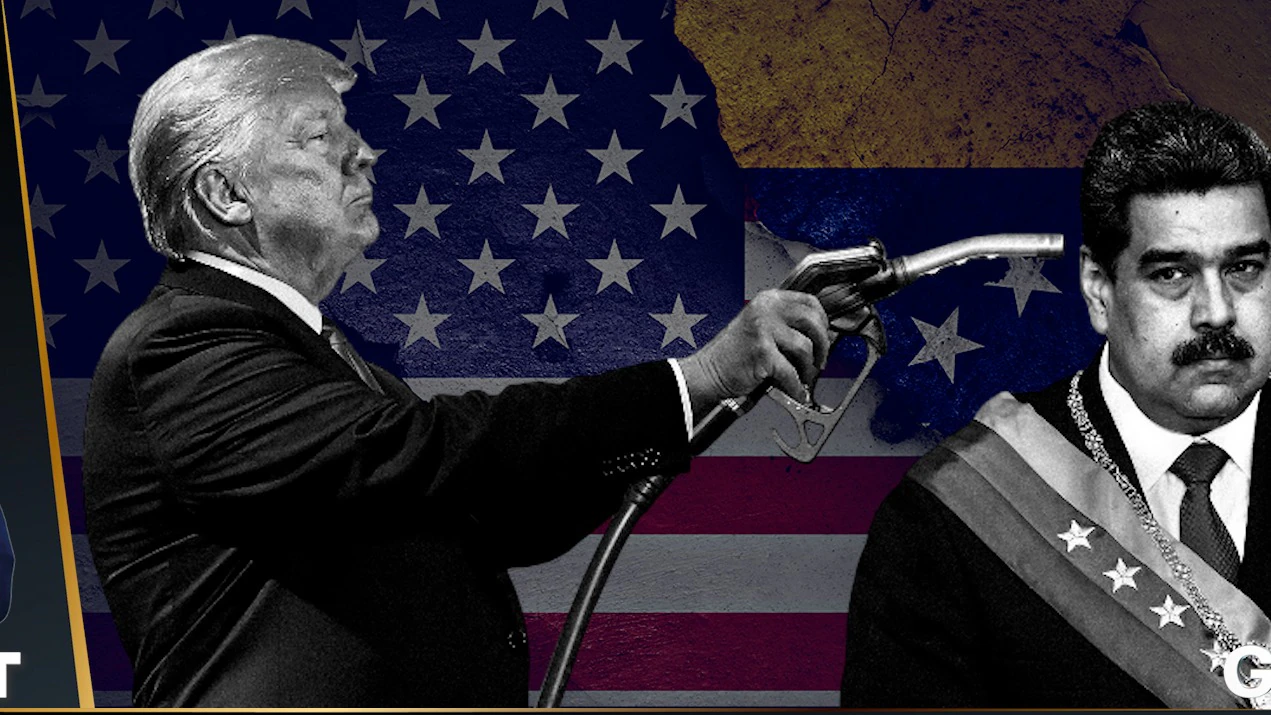
On January 3, 2026, The United States, under President Donald Trump, carried out military strikes in Venezuela and forcibly transferred (kidnapped) President Nicolás Maduro and his wife to the United States to face prosecution.
The implications extend far beyond Venezuela, challenging long-standing principles of sovereignty, international law, and global stability.
The U.S. action is described by American officials as a law-enforcement operation tied to longstanding criminal indictments. Critics, including foreign governments and international legal scholars, describe it instead as an act of military aggression and extraterritorial abduction.
Why Sovereignty Still Matters
Modern international law rests on a core idea: states are sovereign equals. Under the UN Charter, the use of force inside another country is permitted only under narrow conditions, such as self-defence against an imminent threat or authorization by the UN Security Council.
If a powerful nation can unilaterally conduct strikes on foreign territory, and seize a sitting head of state to face trial in its own courts, then the concept of sovereignty becomes conditional, applied selectively, enforced by power rather than law.
The Precedent Problem
Even those who strongly oppose Maduro’s government have raised alarms about precedent.
If this model is normalized:
- What prevents Russia from seizing leaders it accuses of crimes?
- What stops China from claiming legal jurisdiction over foreign officials?
- How do smaller nations protect themselves when accusations replace multilateral process?
Once a rule is broken by a dominant power, it becomes far easier for others to justify similar actions – often with fewer restraints and less transparency.
Supporters of the operation argue that criminal charges justify extraordinary measures. But international law has historically rejected the idea that domestic indictments override national borders.
Traditionally, accountability for heads of state -when it happens flows through international tribunals, multilateral agreements, or internal political change.
Regional and Global Fallout
Latin America has a long memory of foreign intervention, and even governments critical of Caracas have expressed concern about how this could destabilize the region.
Globally, U.S. rivals are watching closely. Any erosion of norms by Washington becomes rhetorical ammunition elsewhere, weakening the very rules-based order the U.S. has historically championed.
The Larger Question
The central issue is not whether Maduro is a good or bad leader. It is this:
Do we want a world where the most powerful states decide, unilaterally, who gets arrested, bombed, or removed, based on their own courts and interests?
If the answer is no, then this should concern everyone.
Why This Moment Matters
Even as facts are contested and narratives clash, the conversation itself signals a shift. When military force, criminal law, and regime change blur together, the guardrails of international order weaken.
History may mark this moment not just as a U.S.–Venezuela crisis, but as a turning point in how power, law, and sovereignty are understood in the 21st century. Replacing those mechanisms with unilateral force risks turning justice into a tool of geopolitics.
Leave a Reply