

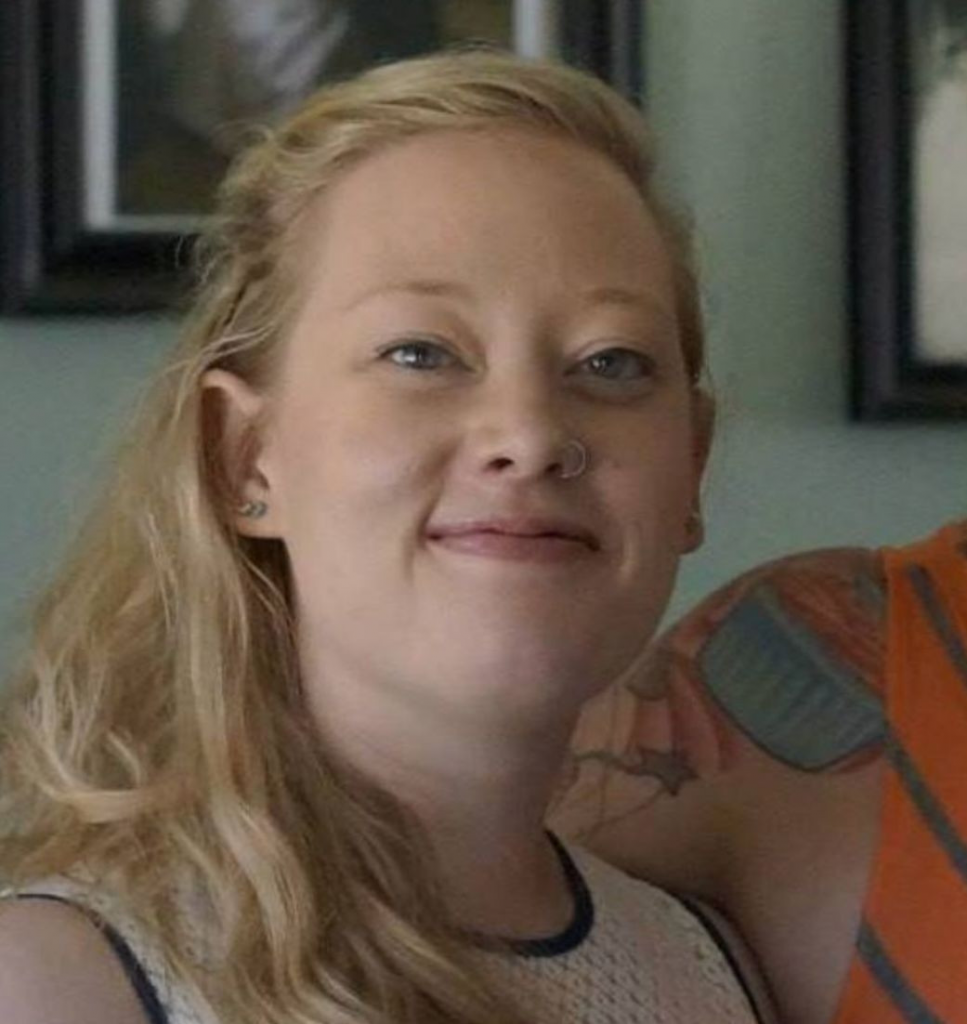
On January 7, 2026, Minneapolis became the epicenter of a national firestorm when 37-year-old U.S. citizen Renée Nicole Macklin Good was shot and killed by an agent of U.S. Immigration and Customs Enforcement (ICE) during a federal enforcement operation.
The killing of Renée Nicole Good by a federal immigration agent in Minneapolis is not just another tragic headline. It is a stress test – of American institutions, of public trust, and of a political system already straining under deep division.
Good was a U.S. citizen. She was not the target of an immigration raid. And yet, during a chaotic federal operation carried out by U.S. Immigration and Customs Enforcement, she was shot and killed while inside her vehicle. Federal authorities quickly framed the shooting as self-defence. Local officials, eyewitnesses, and video evidence raised serious doubts.
That gap between official narrative and public perception is where the real political consequences begin.
A Familiar Pattern, With a Different Badge
For many Americans, this moment feels grimly familiar. The name of the agency may be different, but the structure of the story is not: a civilian is killed, authorities claim justification, the community disputes it, and the country splits along predictable lines.
What makes this case distinct and politically explosive, is who fired the shot.
ICE is not a traditional street-policing agency. Its growing presence in interior cities has long been controversial, particularly in places like Minneapolis, where residents already carry deep trauma from past law-enforcement violence. The killing of Good collapses two already-polarized debates into one: policing and immigration enforcement.
To critics, the shooting is proof that ICE has become dangerously militarized and unaccountable. To defenders, it is evidence that federal agents are being placed in hostile environments and then condemned for protecting themselves.
Both sides believe the stakes are existential and that belief hardens division.
Federal Power vs. Local Reality
The political fallout has exposed a widening rift between federal authority and local governance. City and state leaders rejected the federal account of events and demanded accountability. Federal officials, backed by national political figures, doubled down.
This isn’t just about one case. It’s about who gets to define reality.
When Washington insists an incident was justified while a city’s residents insist it wasn’t, trust erodes on both ends. Local communities begin to see federal agencies as occupying forces. Federal agencies begin to treat cities as hostile territory. Democracy does not function well under those conditions.
The Trump-Era Shadow That Never Left
Although administrations change, the politics surrounding ICE have remained frozen in place since Trumps first term. For supporters of Donald Trump, aggressive immigration enforcement still represents strength and order. For opponents, it symbolizes cruelty, racialized power, and disregard for civil liberties.
The killing of Renée Good reactivates that unresolved conflict.
Instead of a shared demand for transparency and accountability, the country once again defaults to camps: law and order versus human rights, federal authority versus local autonomy, security versus dignity. These binaries leave little room for truth-seeking and even less for healing.
Why This Case Won’t Fade Quietly
Some incidents disappear once the news cycle moves on. This one likely won’t.
- It involves a U.S. citizen, undermining claims that ICE violence only affects “others.”
- It occurred in a city already symbolic of national reckoning over state violence.
- It comes at a moment when Americans increasingly distrust official explanations, regardless of political party.
Most importantly, it forces a question the country keeps postponing:
How much power should federal enforcement agencies have inside civilian communities – and who holds them accountable when things go wrong?
Beyond Outrage, Toward Responsibility
Outrage is understandable. Division may be inevitable. But neither is sufficient.
If the investigation ultimately finds wrongdoing, accountability must be real – not symbolic. If it finds justification, transparency must be uncompromising. Anything less will confirm what too many Americans already fear: that power protects itself first, and truth comes second.
Renée Good’s death is not just a tragedy for her family. It is a warning. A democracy that cannot confront state violence honestly, without retreating into partisan reflexes risks normalizing it.
And once that happens, the divide only grows wider.
Leave a Reply