
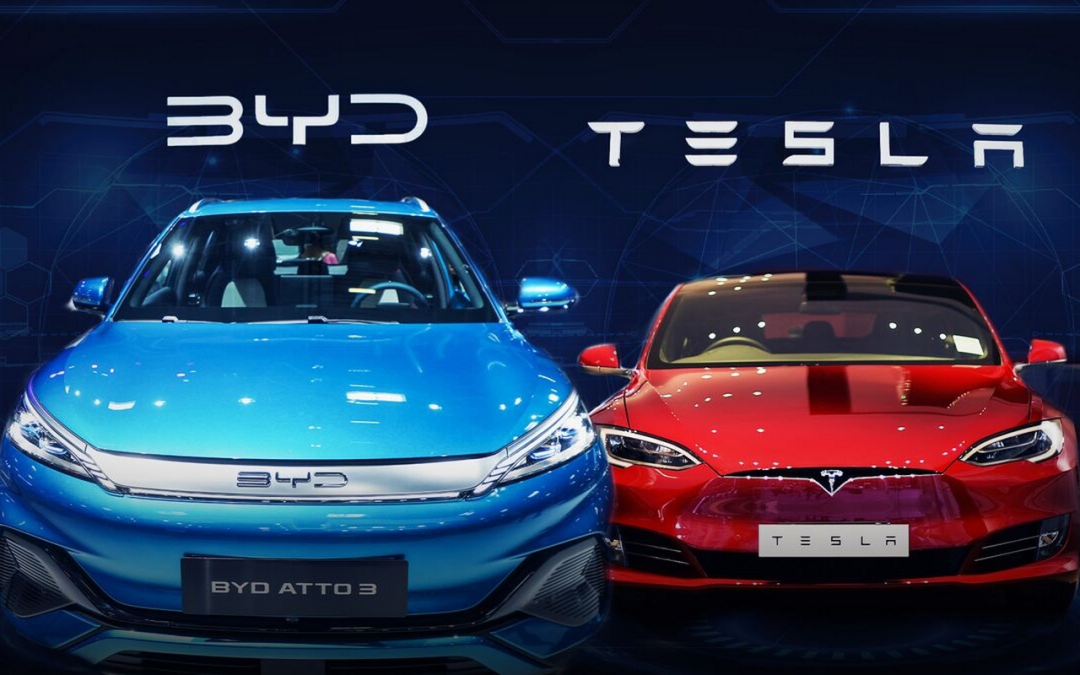
In a symbolic changing of the guard for the electric vehicle (EV) industry, BYD has overtaken Tesla to become the world’s largest EV maker. While the headline inevitably invites comparisons between companies and their leaders, the reality behind BYD’s rise is more nuanced than a simple rivalry story.
Yes, the growing controversy around Elon Musk and his increasing involvement in global politics and social debates has played a role. But BYD’s success is ultimately rooted in something more fundamental: it builds very good cars, at scale, and at the right price.
Musk’s Expanding Global Role and Tesla’s Distraction Problem
For much of the last decade, Tesla’s brand was inseparable from Musk’s image as a visionary pushing the world toward electrification. Recently, however, that image has become more complicated. Musk’s outspoken positions on geopolitics, domestic politics, and social issues have polarized audiences in key markets.
For some consumers, investors, and even governments, Tesla no longer feels like a neutral technology company. Instead, it has become entangled in the reputational ups and downs of its CEO. While this hasn’t erased Tesla’s technological achievements, it has introduced friction, especially outside North America, at a time when the global EV market is becoming fiercely competitive.
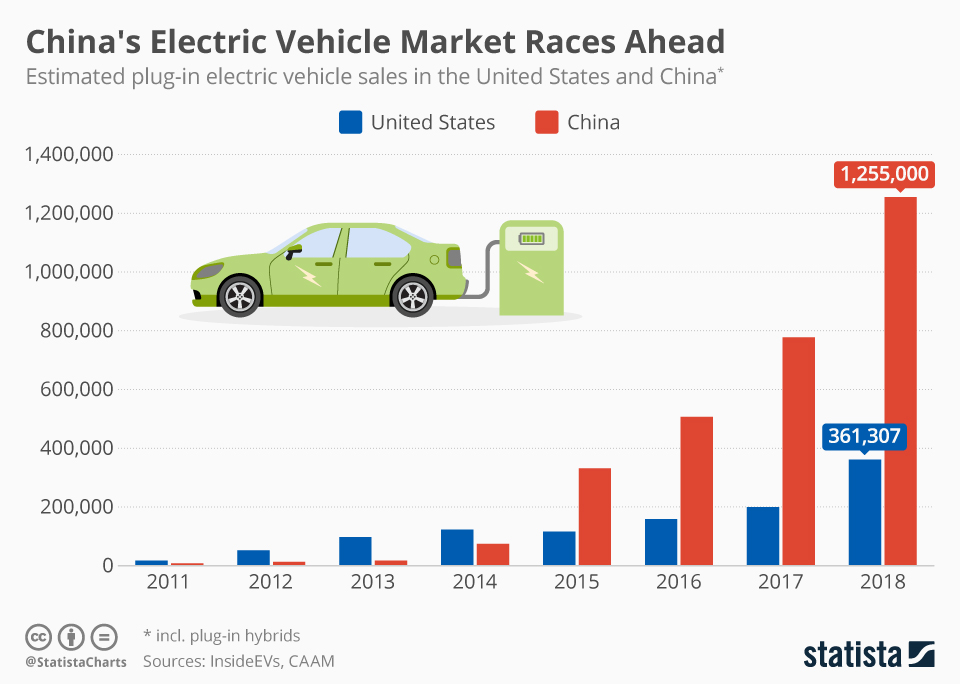
That context matters. When buyers have more choice than ever, brand perception can influence purchasing decisions as much as range or acceleration figures.
BYD’s Rise Is Built on Execution, Not Noise
What truly separates BYD’s ascent from Tesla’s recent struggles is operational excellence. BYD has focused relentlessly on manufacturing, supply chains, and product diversity. Unlike many automakers, it produces its own batteries, semiconductors, and power electronics, giving it tighter cost control and resilience against supply shocks.
Equally important, BYD designs cars for different markets and price points. From affordable city EVs to sleek premium sedans and SUVs, its lineup appeals to a much broader audience than Tesla’s relatively narrow range. In emerging markets especially, BYD’s ability to deliver well-built EVs at accessible prices has proven decisive.
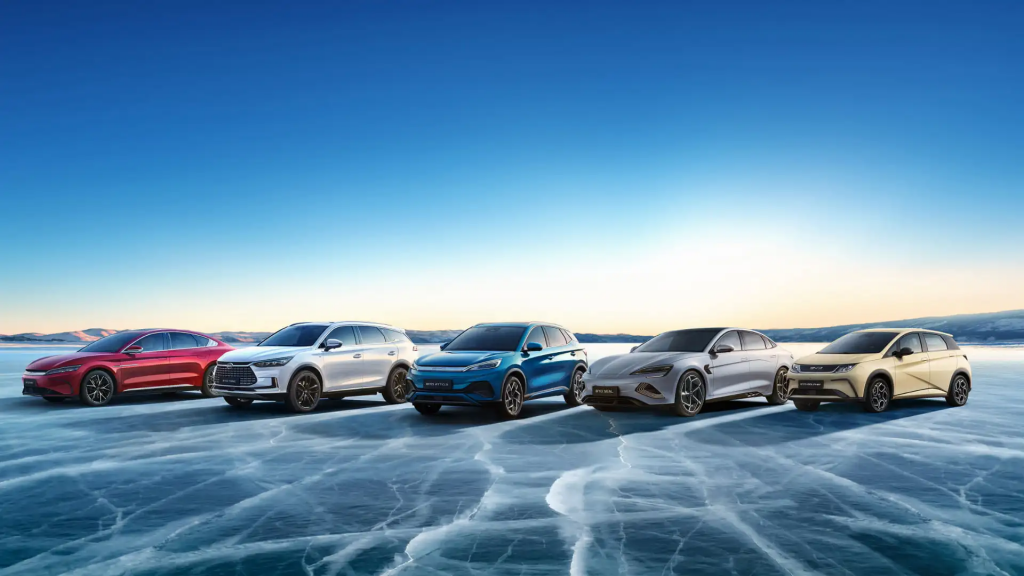
This isn’t a case of winning by default. Reviews increasingly praise BYD vehicles for solid build quality, modern interiors, competitive range, and practical real-world usability. In short, customers are choosing BYD because the cars make sense.
A Shift in the EV Power Landscape
BYD overtaking Tesla signals a broader shift in the EV landscape. The industry is moving from its pioneer phase, where vision and disruption mattered most, into a maturity phase defined by scale, efficiency, and global adaptability.
Tesla remains a major force, particularly in software, charging infrastructure, and performance branding. But BYD’s rise shows that the future of EV leadership may belong less to charismatic individuals and more to companies that quietly execute, manufacture efficiently, and listen closely to market demand.
The Bigger Picture
Elon Musk’s global visibility and political engagement may have created headwinds for Tesla, but they don’t fully explain BYD’s success. BYD didn’t win just because of Elon Musk’s erratic behaviour, it won because it delivered.
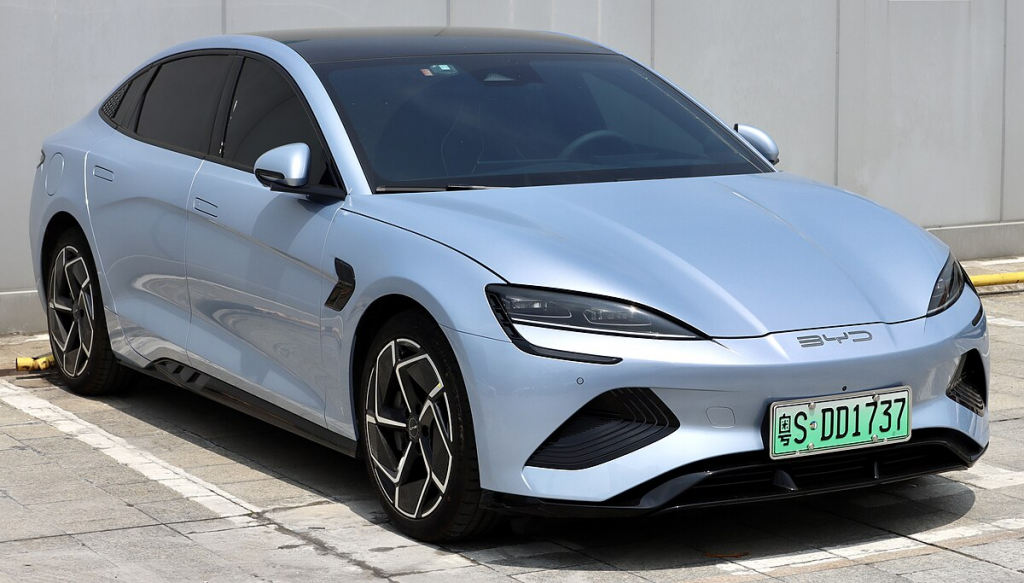
As the EV market continues to expand worldwide, BYD’s emergence as the top producer underscores a simple truth: in the long run, excellent products, smart manufacturing, and strategic focus matter more than headlines.
Leave a Reply