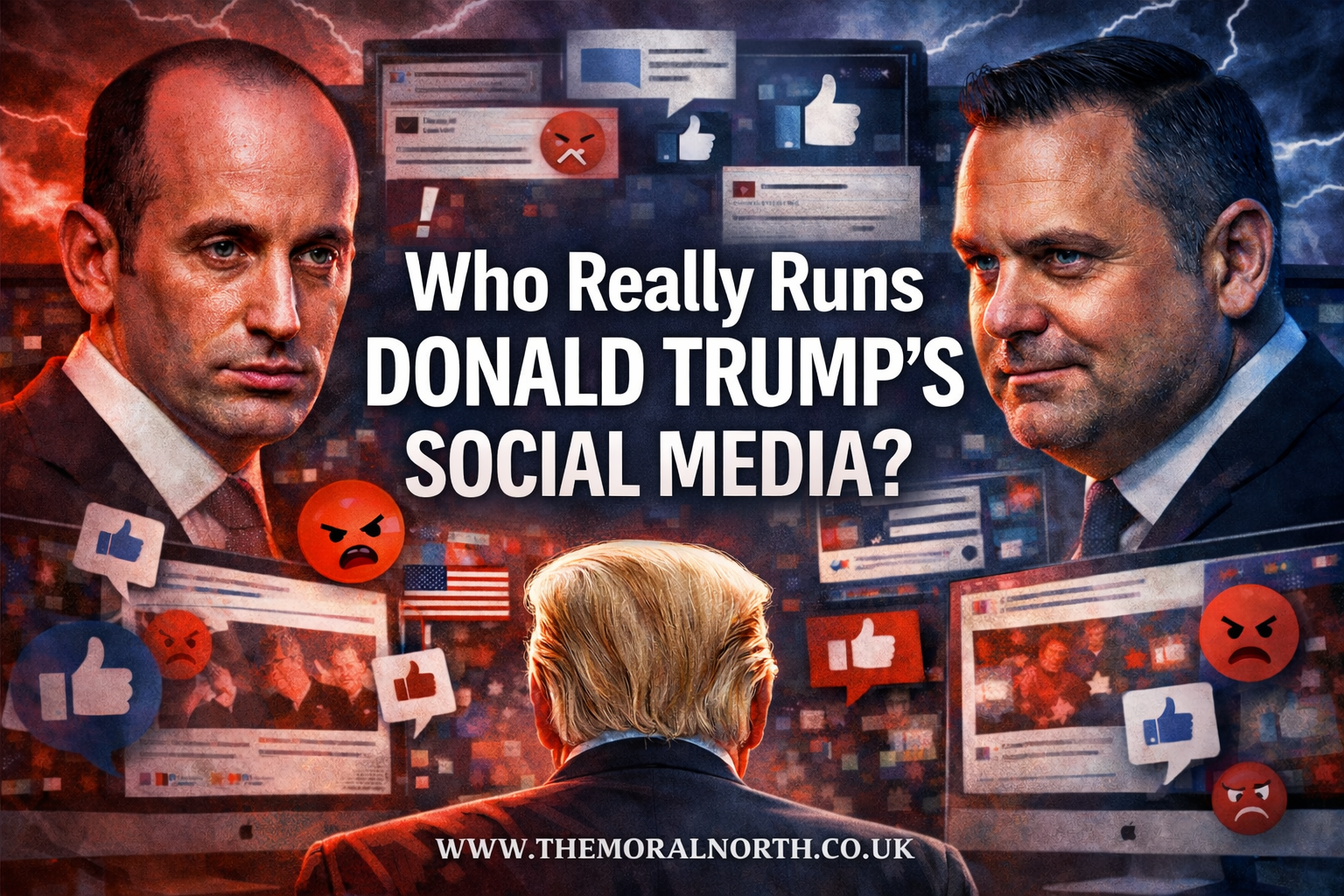
Donald Trump’s social media presence has long been one of the most influential and polarizing forces in American politics. His posts are often combative, grievance-driven, and designed to dominate the news cycle within minutes. That has led to a persistent question: who is actually behind the keyboard? Is it Stephen Miller, Dan Scavino, Trump himself, a combination of all three, or somebody else?
This post looks at what is publicly known, what can be reasonably inferred, and why the style of Trump’s social media matters as much as the authorship.
The Myth of the Lone Tweeter
One of the biggest misconceptions about Trump’s social media is that it is produced by a single mastermind. In reality, modern political accounts-especially ones with legal, political, and security implications are rarely run by just one person.
Trump’s accounts have historically functioned more like a hybrid system:
- Some posts appear to be written directly by Trump.
- Others are drafted, edited, or scheduled by trusted aides.
- Messaging is often coordinated with broader campaign or political strategy.
This makes attribution difficult, but not impossible to analyze at a stylistic and strategic level.
Dan Scavino: The Operator and Amplifier
Dan Scavino has been Trump’s longtime social media aide, dating back to the 2016 campaign and continuing through Trump’s presidency and beyond.
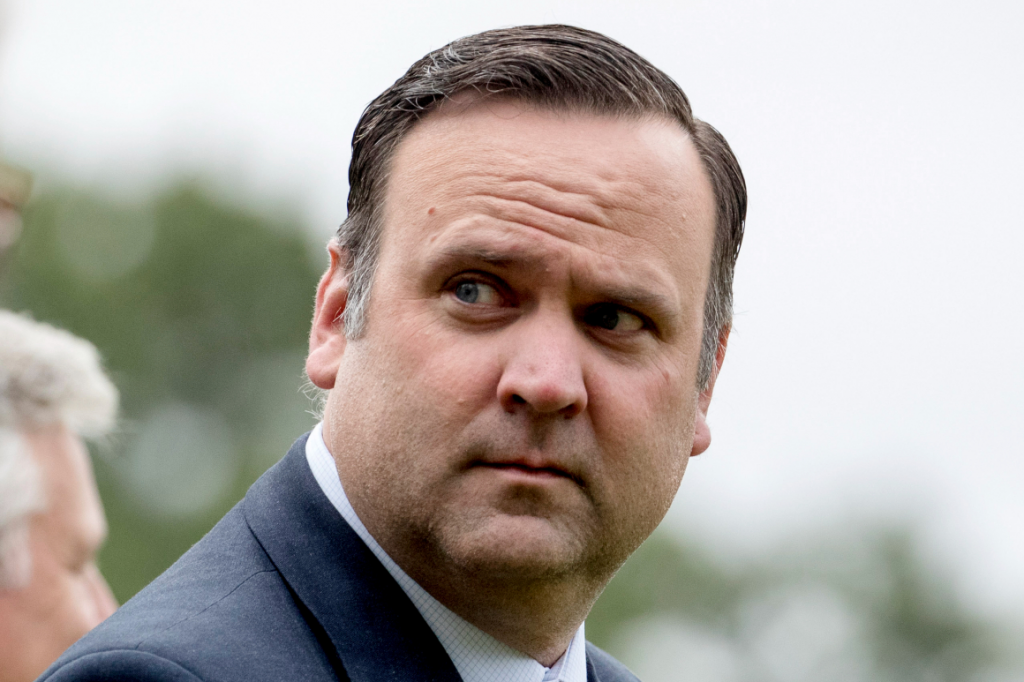
What Scavino is known for:
- Managing Trump’s social media accounts operationally
- Posting videos, images, rally clips, and memes
- Rapid amplification of Trump’s preferred narratives
- Maintaining Trump’s online presence across platforms
Stylistic fingerprints:
- Short captions
- Heavy use of capital letters and exclamation points
- Video-first content
- Echoing Trump’s spoken language rather than ideological prose
Scavino’s role is best understood as execution and amplification, not ideological authorship. He ensures Trump’s voice is loud, constant, and optimized for engagement.
Stephen Miller: The Ideologue
Stephen Miller, by contrast, is not known as a social media manager-but as an ideological architect.
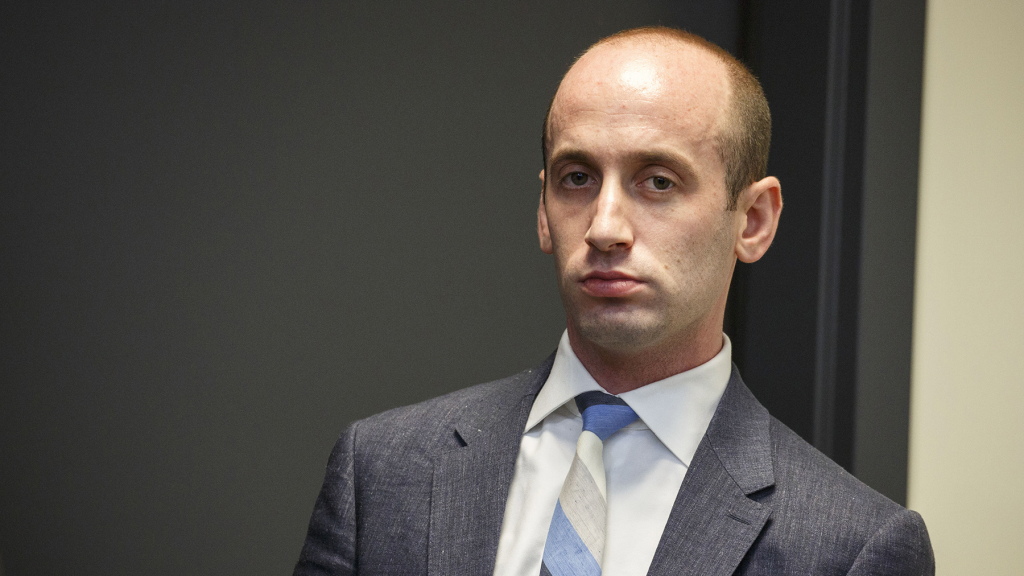
What Miller is known for:
- Hardline nationalist rhetoric
- Immigration restrictionism
- Culture-war framing
- Highly disciplined message repetition
Stylistic fingerprints often attributed to Miller-like messaging:
- Apocalyptic language
- Sharp “us vs. them” framing
- Dehumanizing or demonizing political opponents
- Emotionally charged phrasing designed to provoke outrage
When Trump’s posts read less like off-the-cuff reactions and more like carefully constructed ideological attacks, observers often speculate about Miller’s influence. That does not mean Miller is logging in and posting-but his language and framing have clearly shaped Trump-era messaging across speeches, policy statements, and online rhetoric.
Trump Himself: Instinct, Grievance, and Impulse
Any analysis that ignores Trump himself misses the point.
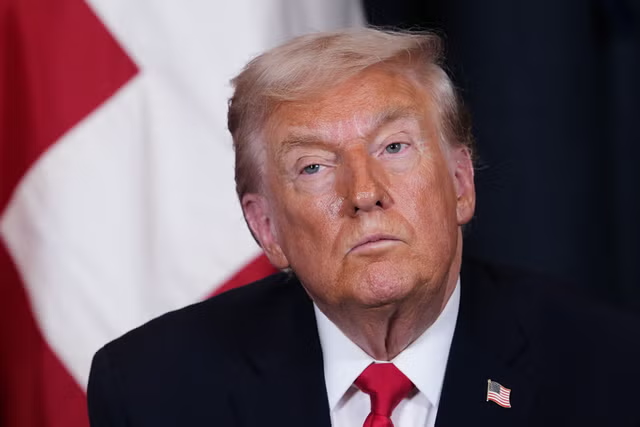
Trump has repeatedly demonstrated:
- A personal attachment to posting
- An instinct for provocation
- A preference for emotional, confrontational language
Posts that feature:
- Misspellings
- Abrupt topic shifts
- Personal grudges
- Late-night timing
are widely believed to be Trump’s own. These posts often set the tone that aides then reinforce and expand.
Why the Tone Feels So Divisive
Whether written by Trump, Scavino, or shaped by Miller’s ideology, the throughline of Trump’s social media is clear: conflict drives attention.
Key characteristics include:
- Moral absolutism (good vs. evil)
- Constant grievance framing
- Delegitimization of institutions and opponents
- Emotional intensity over factual precision
This style doesn’t merely communicate political positions – it mobilizes anger and resentment, rewarding outrage with visibility and engagement. That dynamic is not accidental; it is a proven strategy in the modern attention economy.
So… Who’s Really Behind It?
One theory is:
- Trump provides the instinct and emotional core
- Stephen Miller shapes the ideological framing
- Dan Scavino executes, packages, and amplifies the message
Rather than a single author, Trump’s social media is best understood as a system-one designed to provoke, polarize, and dominate the conversation.
Final Thoughts
Focusing solely on who writes the posts can obscure the more important question: why this style works-and what it does to political discourse.
Trump’s social media doesn’t just reflect division; it actively profits from it. And as long as outrage remains one of the most powerful currencies online, this kind of messaging will continue-no matter who is holding the phone.
Leave a Reply